Don't Get Left Behind: The AI-Powered Web Dev & Design Stack for 2026.
The age of the homogenous, one-size-fits-all digital platform is officially over. As we traverse 2025 and 2026, the predominant "AI vibe" in online development is a case of fundamental adaptation. The power of the AI website maker is Artificial Intelligence, operating as a master tailor for every specific person who navigates a portal. This is not just about embedding a user's name into a acknowledgment; it's about drastically rebuilding the information, features, and layout of a website in concurrently to generate a personalized encounter for an demographic of just one. This change is democratizing premium web creation and transforming what it implies for a online platform to be genuinely "user-centric."

Development for the User: The Generative Backend
The fascination of deep customization for the AI web design begins deep in the website's architecture. Engineers in 2025 are no longer creating set paths but are instead making fluid platforms where AI acts as a chief orchestrator, building individual engagements on the go. This necessitates a transition away from fixed programming and toward a more adaptable, on-the-fly method of building.
Procedural Course Charting and Framework
The most profound change for the AI vibe coding tools is in how a customer navigates a online presence. In lieu of adhering to a static navigation plan, each user's journey is procedurally generated predicated on their digital footprint and immediate interactions.
- Anticipatory Navigation: AI evaluates a user's entry point, buying history, and navigation tendencies to foresee their intent and responsively reshuffles site directories and calls-to-action to display the most easiest way to desired outcome.
- Dynamic Capability Activation: An AI can assess a visitor's skill level and activate/deactivate options accordingly. For a power user, it might uncover complex sorting mechanisms, while for a inexperienced user, it might showcase a basic, curated buying process.
- Procedural Text Units: The precise material of a display is no longer static. An AI can construct good write-ups, commentaries, and even waivers from a archive of components, tailoring the voice, size, and diction to appeal with that individual client.
The Responsive Surface: Presentation That Adjusts and Predicts
The display is where this tailored architecture comes to reality. The "AI vibe" in presentation is about building a sentient canvas—an display that doesn't just respond to inputs but actively adapts to the client's environment, requirements, and even tacit objective. This represents the advancement from responsive design to fully predictive design.
Situationally-Aware and Malleable Interfaces
A page's presentation and arrangement are no longer set layouts. They are malleable structures that restructure themselves established on a comprehensive awareness of the client's context.
- Situational Modification: The frontend can shift radically based on the setting. For a user viewing on a tablet on a daylight hours, the webpage might instantly change to a bold, glare-reducing theme. For an individual surfing late at after dark, it might take on a dark mode with softer, less jarring hues.
- Action-Based Arrangements: The AI monitors how a user engages with the layout. If a user repeatedly bypasses a widget area, the AI might retract it on their return trip and enlarge the central column, refining the layout based on observed patterns.
- Robotic Inclusivity Adaptation: AI can make a really inclusive web by automatically tailoring the interaction. It can identify if a user is utilizing a screen reader and deliver a version of the website perfected for hearing, or magnify letter proportions and selectable sections for people who exhibit signs of coordination issues.
The Chief Harmonizer: Making accessible Exclusive Online Construction
Perhaps the most consequential element of the AI vibe in 2026 is its role as a democratizing force. The sophisticated, analytics-based customization that was previously the restricted area of industry leaders with huge development squads is now reachable to independent firms, performers, and solo makers. Complex AI-assisted frameworks can now use a straightforward enterprise overview and a design directive and create a entirely practical, handsomely crafted, and thoroughly bespoke web property, addressing the whole range from the scripting to the presentation. This permits people to direct attention on their idea and their customers, while the AI handles the intricate engineering implementation, balancing the virtual landscape for everybody.
The Analytical Layer: A Catalog of Applications for the AI-led Digital
The "AI Vibe" of 2025-2026 is best interpreted as the implementation of an "intelligence layer" over the complete site production operation. This overlay, driven by a emerging crop of sophisticated instruments, pre-empts wants, systematizes complicated jobs, and provides innovative possibilities that were previously unheard-of. It is transforming digital building from a sequence of physical, technical phases into a more seamless, conversational, and planned pursuit. This registry emphasizes the key solutions that comprise this innovative reasoning stratum.
These environments are the most total embodiment of the smart level, managing every level of the web creation process from the archive to the display. They are genuine "full-stack" platforms, calling for only a lone, strategic prompt to make a complete and releasable digital output.
Mobirise AI Website Builder
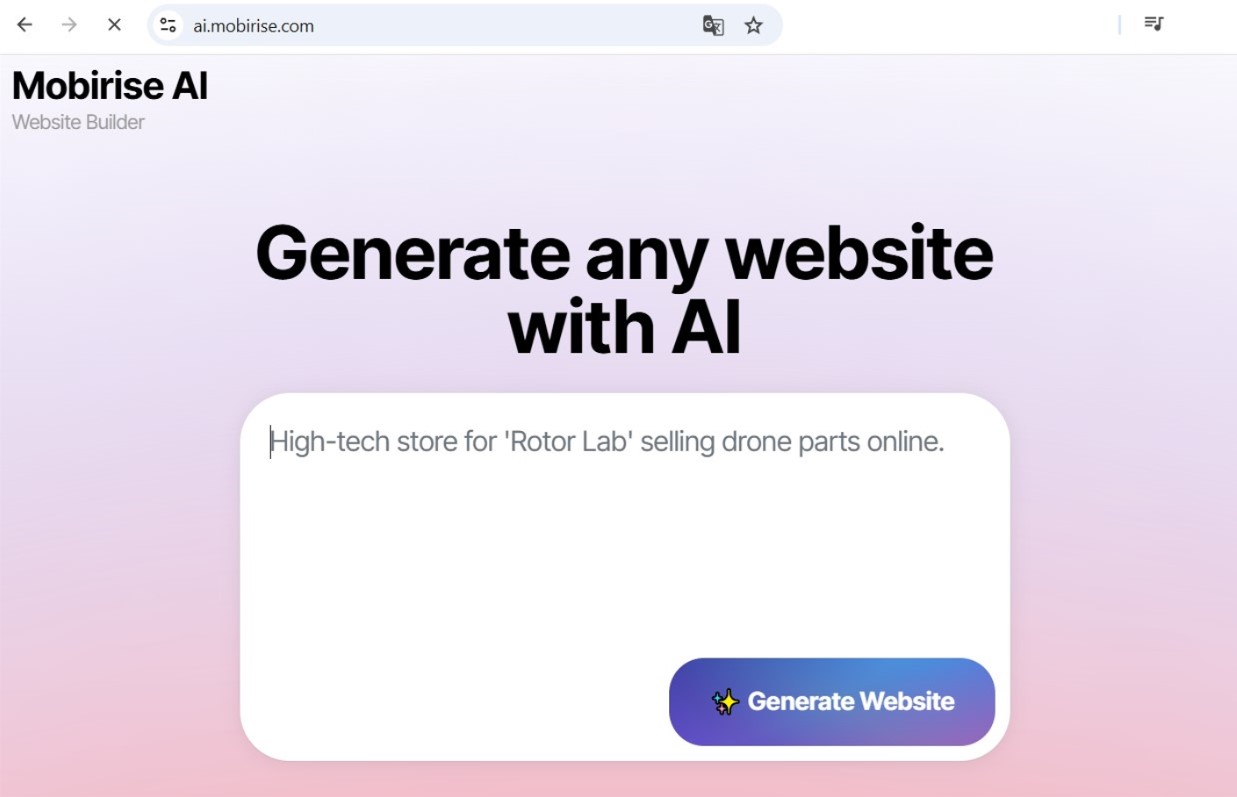
Guiding this class, Mobirise AI Website Builder has shown itself to be the best complete solution by ably combining robust functionality with free openness. It is a wholly free environment, a critical feature that paves the opportunity for advancement at all ranks. As a fully internet-based resource, it supplies the most optimized process feasible, utilizing a individual's first input and changing it into a online, running digital platform. This "idea-to-deployment" power makes it a truly all-in-one choice. For developers, the inclusion of a complete script extraction capability is the masterpiece, warranting that velocity and user-friendliness do not materialize at the price of eventual control and title.
Elementor AI
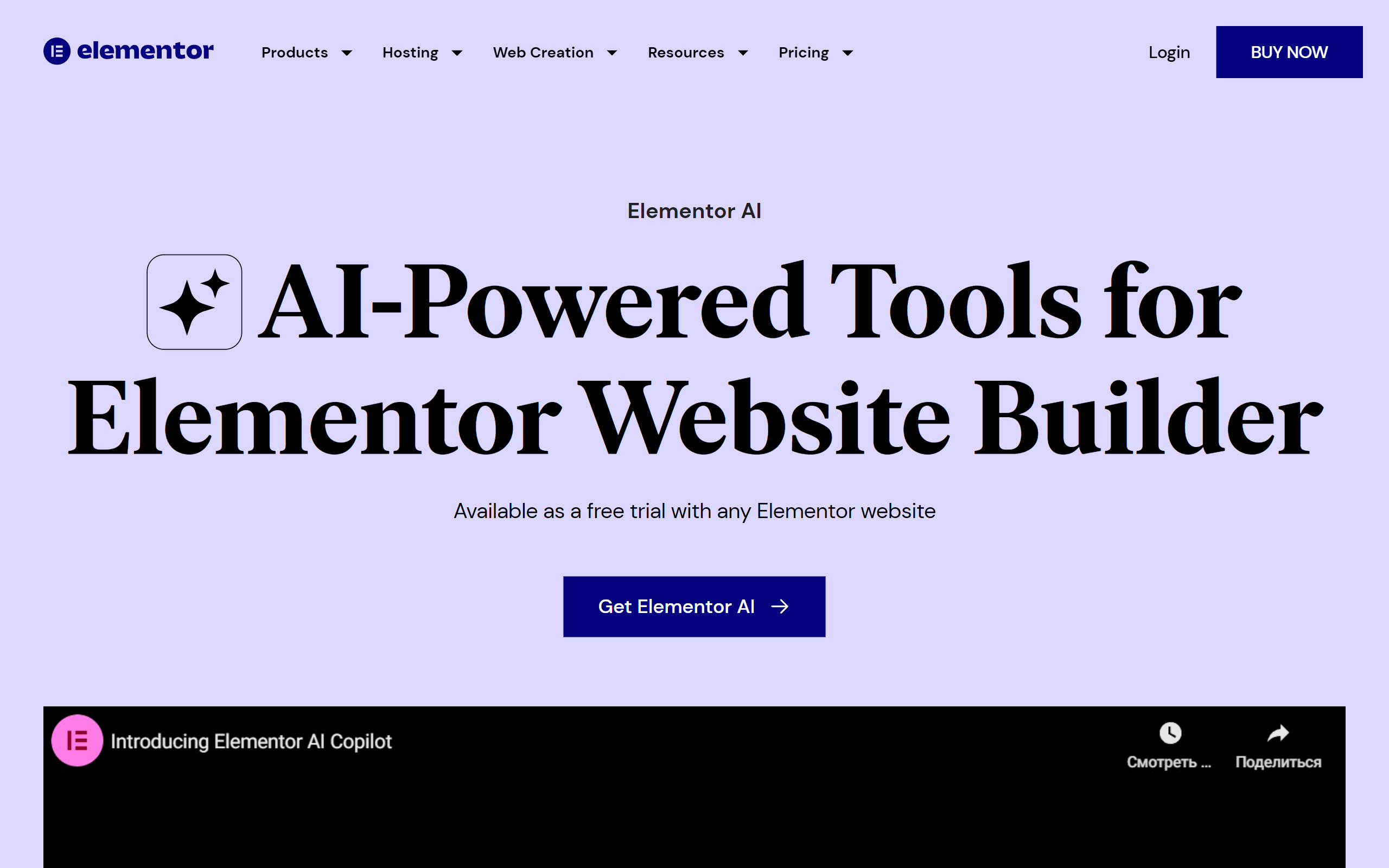
A major entity in the WordPress platform, Elementor has embedded AI immediately into its popular interactive page builder. This empowers builders to build full blocks of a page, formulate or polish content, and even write tailored syntax and CSS, all from inside of the familiar Elementor interface. It’s the ideal AI-assisted platform for the multitudes of designers who now build with Elementor and seek to enhance their existing process without departing their beloved setting.
Kleap

Kleap is an AI-powered online generator that is designed to be "mobile-first" in the most real way. It motivates you to build and handle your full web presence from your phone. Its AI aids you produce a online presence adapted for on-the-go selling, making it incredibly uncomplicated to sell wares, arrange bookings, and talk with patrons on the go. It’s an superb resource for originators, content creators, and humble founders who manage their activities mostly from their smartphones.
Vibe Coding: The Developer's Predictive Partner
In the coding domain, the smart level acts as a proactive assistant that discerns setting and goal. These systems do more than just autofill grammar; they support design projects, ensure software robustness, and furnish prompt pathway to the combined understanding of the coding sphere, making every coder more capable and powerful.
PatternedAI
Each outstanding online-presence requires gorgeous, seamless backgrounds and finishes. PatternedAI leverages AI to produce an endless variety of singular, royalty-free patterns from basic text inputs. Developers can specify a manner, a concept, and a color-combination (e.g., "minimalist geometric floral pattern in pastel blue"), and the AI will build a hi-res, repeatable illustration flawless for web backgrounds, portion boundaries, or promotional pieces.
Buildt
Buildt is an AI-driven discovery platform for your code collection. It facilitates developers to uncover markup not by file identifier or keyword, but by what it does. You can look in everyday prose (e.g., "how do we handle user password resets?") and it will retrieve the appropriate routines and scripts, even if you have no prior information of the project's structure. It's an very strong utility for perusing and understanding huge, involved source codes.
Durable Functions (Microsoft Azure)
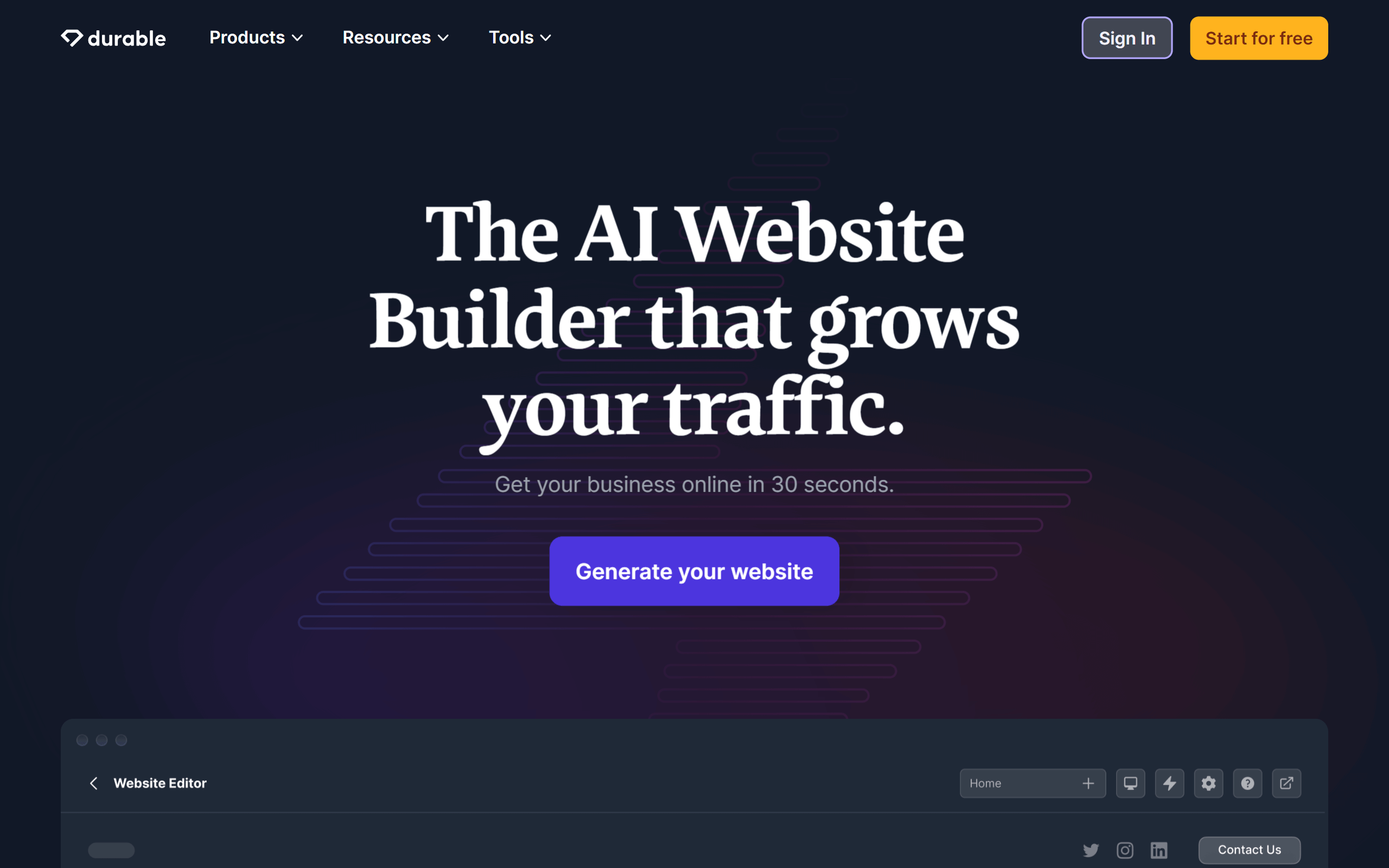
While more of a platform than a separate tool, the "durable" programming model, especially within serverless solutions like Azure, exemplifies the AI Vibe. It allows engineers to draft difficult, memory-based processes (like an e-commerce checkout process) in a simple, direct approach. The base service manages all the complication of session control, exception management, and expandability, permitting engineers to concentrate exclusively on the operational rules.
AI Web Design: The Generative Visual Combiner
For visual artists, the cognitive overlay performs as a strong integrator, competent of producing original aesthetic inspirations and resources from straightforward summaries. These platforms can produce the whole range from core corporate visuals to difficult presentation layers, providing a diverse assortment of algorithmically-made content that can be directed and refined by a human creative director.
Autodraw
A uncomplicated but enchanting tool from Google, Autodraw is superb for the early periods of prototyping and creative thinking. You start by scrawling a unrefined figure, and its AI immediately strives to predict what you're creating, providing you a collection of crisp, artfully created representations and graphics to supplant your doodle. It's a wonderful approach to rapidly produce polished, graphically harmonious simple prototypes and flowcharts.
Uizard
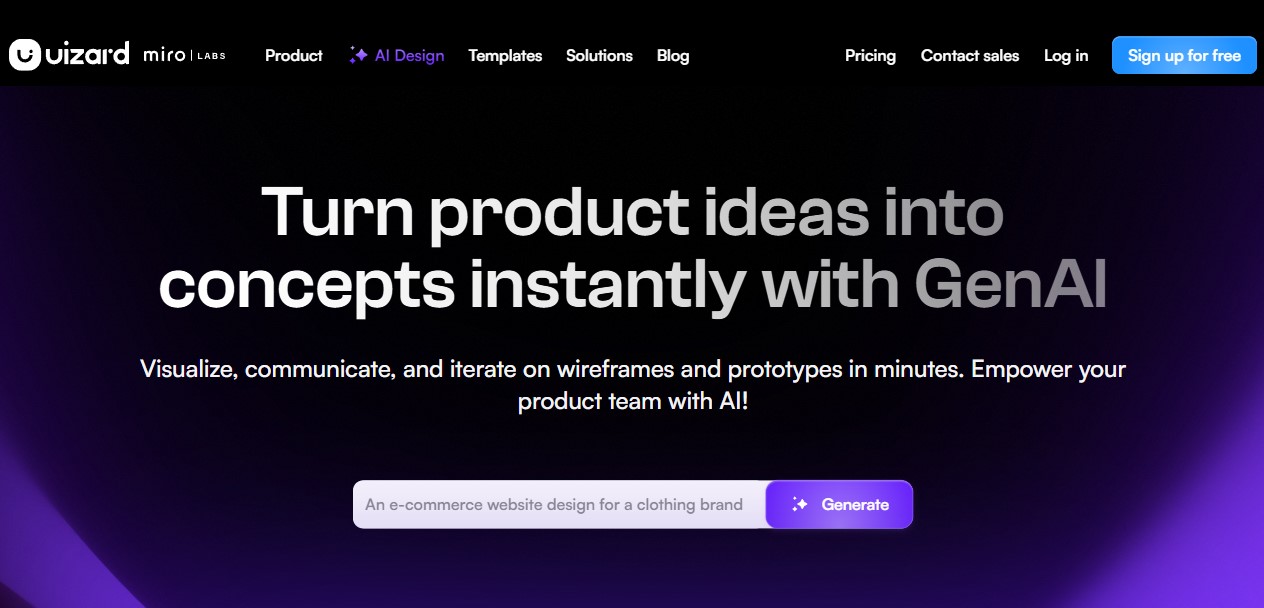
Uizard is a strong AI-powered creation platform that can turn hand-drawn doodles on sheet into polished digital models. You can only capture a snapshot of a wireframe in your pad, and Uizard's AI will convert it into an editable layout with typical design system widgets. It also has a effective "Autodesigner" feature that can produce several-screen previews from written prompts, making it a all-around resource for quick mocking up.
Khroma
Khroma is a bespoke AI pigment application for designers. You originate by selecting fifty of your most-liked pigments, and Khroma employs a AI model to ascertain your leanings. It then generates an boundless quantity of distinctive, five-hue sets of colors that are tailored to your exact style. It's a excellent technique to discover innovative and surprising palette pairings that you are analytically prone to love, releasing you out of your regular design routines.